
✆ + 1-646-235-9076 ⏱ Mon - Fri: 24h/day

IoT Automotive Sector
The automotive industry is undergoing rapid transformation driven by the adoption of IoT technologies, cloud computing, real-time data processing, and advanced embedded systems. These innovations enable continuous communication between vehicles, infrastructure, cloud platforms, and drivers, creating a new generation of connected and intelligent transportation.
At Carelia, we develop connected vehicle platforms, telematics systems, predictive maintenance solutions, and V2X communication technologies that turn conventional vehicles into intelligent mobility systems.
Key Insights Shaping Automotive
The growing integration of internet connectivity in modern vehicles is transforming them into intelligent, data-driven platforms. Connected car technologies enable capabilities such as remote diagnostics, over-the-air (OTA) updates, vehicle health monitoring, and real-time data analytics, improving both performance and user experience.
IoT technologies support advanced vehicle safety systems including ADAS (Advanced Driver Assistance Systems), lane assistance, blind spot detection, collision warning systems, and V2V/V2X communication. These technologies help reduce accidents and create safer driving environments through real-time data exchange and predictive alerts.
Automotive IoT contributes to more sustainable mobility by enabling data-driven fuel optimization, electric vehicle monitoring, and energy-efficient driving strategies. Smart vehicle analytics help reduce emissions, improve fuel efficiency, and lower operational costs for both drivers and fleet operators.
As connected vehicle technologies evolve, governments and regulatory authorities are establishing new standards for vehicle safety, cybersecurity, and data privacy. Compliance with these regulations ensures that connected car platforms operate securely while protecting user data and maintaining industry standards.
IoT plays a key role in the development of smart cities and intelligent transportation systems. Connected vehicles become part of a larger urban mobility ecosystem that integrates public transportation, traffic infrastructure, and shared mobility services to improve traffic flow and reduce congestion.
The growth of automotive IoT requires advanced communication infrastructure, including 5G networks, edge computing, and high-bandwidth data systems. These technologies enable low-latency communication between vehicles, cloud platforms, and city infrastructure, supporting the future of connected mobility.
How IoT Is Transforming the Automotive Industry
The Internet of Things (IoT) is reshaping the future of the automotive industry. Connected vehicles can now detect hazards, support predictive maintenance, and enable advanced driver assistance systems, significantly improving both safety and driving comfort.
Automotive manufacturers and mobility companies are increasingly adopting IoT technologies to collect real-time data from vehicle sensors, analyze performance, and enhance the overall driver experience. With the expansion of 5G connectivity and edge computing, connected cars are becoming part of a broader intelligent transportation ecosystem.
IoT-enabled vehicles deliver multiple benefits, including improved road safety, enhanced driver experiences, greater operational efficiency, and reduced maintenance costs through proactive diagnostics and monitoring.
Looking ahead, the development of connected mobility will continue to accelerate. Future innovations will include autonomous driving technologies, advanced vehicle connectivity, and smarter safety systems designed to support more efficient and reliable transportation.
IoT is only the beginning of this transformation. As technology advances, vehicles will increasingly communicate with infrastructure, cloud platforms, and other devices, creating a fully connected mobility ecosystem that supports safer, smarter, and more sustainable transportation.
Automotive Innovations
IoT sensors, real-time data processing, and advanced analytics enable autonomous and semi-autonomous driving technologies. Connected vehicles continuously collect environmental data from cameras, radar, and sensors, allowing systems to analyze surroundings and support safer navigation and decision-making.
IoT connectivity enables vehicles to communicate directly with one another by exchanging information such as speed, location, traffic conditions, and potential hazards. This vehicle-to-vehicle communication improves road safety, reduces collisions, and supports the development of intelligent transportation networks.
IoT technologies power modern ADAS features, including adaptive cruise control, lane-keeping assistance, collision detection, and automated emergency braking. These systems analyze real-time data to assist drivers, prevent accidents, and improve overall road safety.
Connected vehicle platforms enable remote monitoring and diagnostics of vehicle systems. Real-time performance data allows manufacturers and fleet operators to detect issues early, schedule predictive maintenance, and reduce unexpected downtime.
IoT integration between vehicles and city infrastructure supports intelligent traffic management systems. Sensors and connected platforms analyze traffic flow, helping reduce congestion, optimize routing, and lower emissions in urban environments.
IoT technology improves energy efficiency in electric and hybrid vehicles by optimizing battery performance, monitoring charging cycles, and analyzing driving patterns. Data-driven insights help maximize vehicle range while reducing energy consumption and operational costs.
As IoT technology continues to evolve, the future of connected vehicles is becoming increasingly intelligent and interconnected. Modern vehicles are no longer isolated machines — they are part of a larger digital ecosystem capable of communicating with infrastructure, cloud platforms, and other devices.
Several key developments are expected to shape the next generation of connected mobility:
Autonomous Vehicles
The development of autonomous and semi-autonomous vehicles will remain a major focus of the automotive industry. By combining IoT sensors, artificial intelligence, and advanced data processing, self-driving technologies have the potential to transform transportation by improving road safety, reducing human error, and enabling more efficient mobility systems.
Enhanced Connectivity
Future vehicles will offer deeper connectivity with surrounding systems and services. Real-time communication between vehicles, mobile devices, and smart infrastructure will enable new digital services, intelligent navigation, and seamless integration with smart city ecosystems.
Advanced Safety Technologies
IoT will continue to drive the development of more advanced safety systems. Technologies such as real-time collision detection, automated emergency braking, and predictive hazard alerts will further enhance vehicle safety and help prevent accidents before they occur.
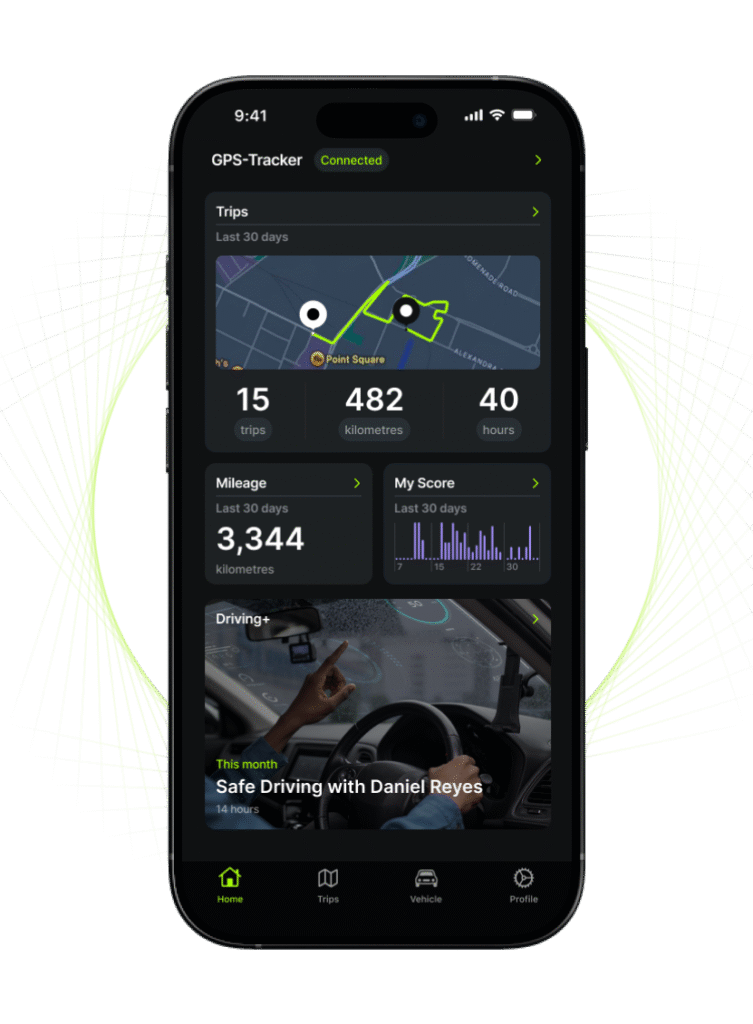
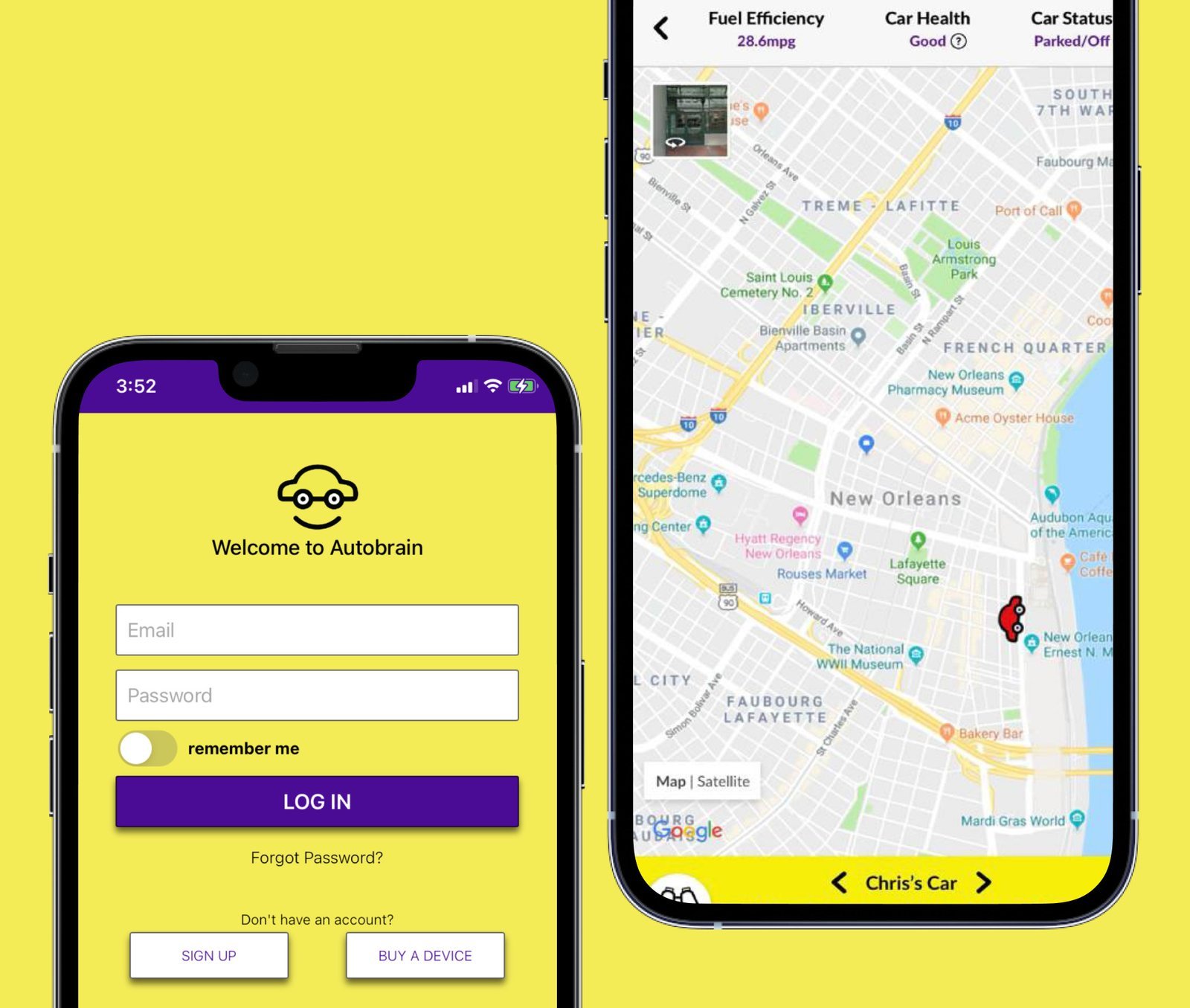
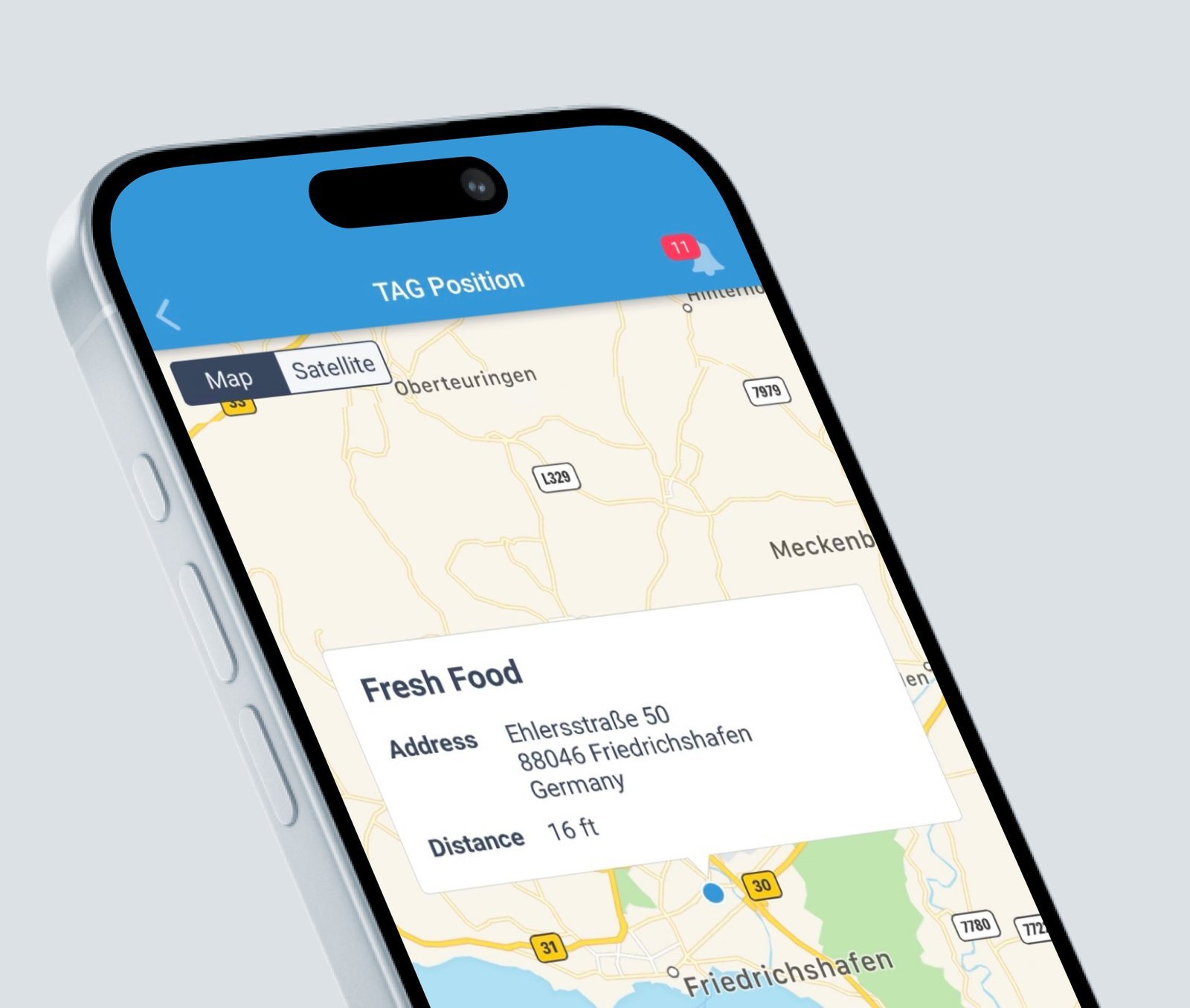
Automotive Cases
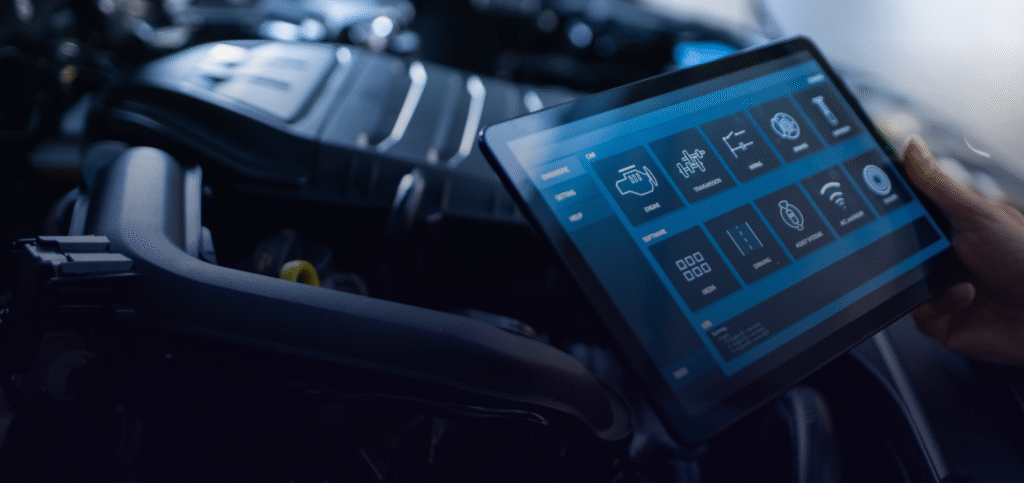
Healthcare
Our advanced software solutions
revolutionize patient monitoring and health management in the world of digital healthcare.
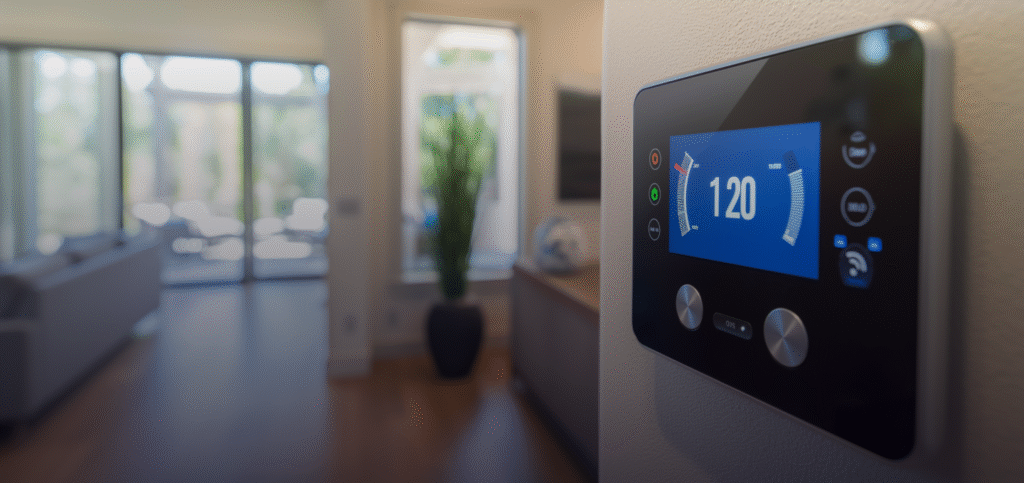
Smart Home
Smart home tech connects and controls devices for convenience, efficiency, and security, streamlining daily life.

Industry 4.0
IoT in Industry 4.0 combines manufacturing and connectivity to create smarter, more efficient factories.

Smart Hospitality
Elevate the guest experience with Smart IT solutions for hotels, restaurants, and the entire hospitality industry.
Contact Us
Los Angeles
15442 Ventura blvd, Suite 201, Sherman Oaks, CA 91403
contact@carelia.io
New York
348 W. 57th St., New York, NY 10019
contact@carelia.io