
✆ + 1-646-235-9076 ⏱ Mon - Fri: 24h/day

5 months
Project duration
Outsource
Engagement model
7 Developers
Team size
USA
Client
Project Introduction
Fordewind focuses on developing advanced smart home products and IoT ecosystems that redefine how users interact with their living spaces. In collaboration with MyGeeni, the goal is to deliver a fully connected smart home experience that combines convenience, automation, and intelligent device management.
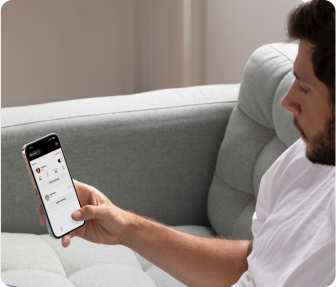
This partnership enables the creation of a unified smart home platform where users can control lighting, climate systems, security devices, and home appliances through a centralized mobile application. By integrating multiple IoT devices into a single ecosystem, the solution eliminates fragmentation and simplifies everyday interactions with technology.
The platform is designed to transform traditional homes into connected environments where devices communicate seamlessly and respond to user preferences in real time. Voice control, automation сценариев, and remote access ensure that users can manage their homes efficiently, whether they are at home or away.
By combining hardware innovation with scalable software solutions, the system provides a reliable and user-friendly smart home infrastructure. This approach enhances comfort, improves energy efficiency, and delivers a personalized living experience tailored to individual needs.
Scope of Project
1. Project Architecture Development
Modern smart home products provide full remote control over connected devices through intuitive mobile applications. Users can manage lighting, switches, and appliances from anywhere, allowing them to automate daily routines and optimize energy usage without manual intervention.
2. Cloud Integration and AWS Development
Voice control integration enables seamless interaction with smart home systems through platforms such as Amazon Alexa and Google Assistant. This functionality allows users to control devices using natural language commands, creating a hands-free and more accessible experience.
3. End-to-End App Development
Automation and scheduling capabilities play a central role in smart home ecosystems. Devices can be programmed to operate based on time, user behavior, or predefined scenarios, ensuring that systems respond automatically to changing conditions. For example, lighting, temperature, and appliances can adjust according to daily routines without requiring user input.
4. Mobile App Creation
Energy monitoring features provide real-time insights into power consumption, helping users track usage patterns and reduce electricity costs. This contributes to more efficient energy management and supports environmentally sustainable living.
5.Integration of AWS Microservices
Smart security and surveillance systems enhance home protection by offering real-time video monitoring, motion detection, and instant alerts. Users can monitor their property remotely and respond quickly to potential security events through mobile notifications and live streaming.
6. Automating Property Rental with Innovative Solutions
Customizable scenes and automation scenarios allow multiple devices to work together as a unified system. Users can create personalized environments that adjust lighting, temperature, and device states simultaneously, improving comfort and usability.
Geofencing technology adds another layer of automation by triggering device actions based on the user’s location. Systems can automatically adjust settings when users leave or return home, ensuring optimal energy usage and convenience.
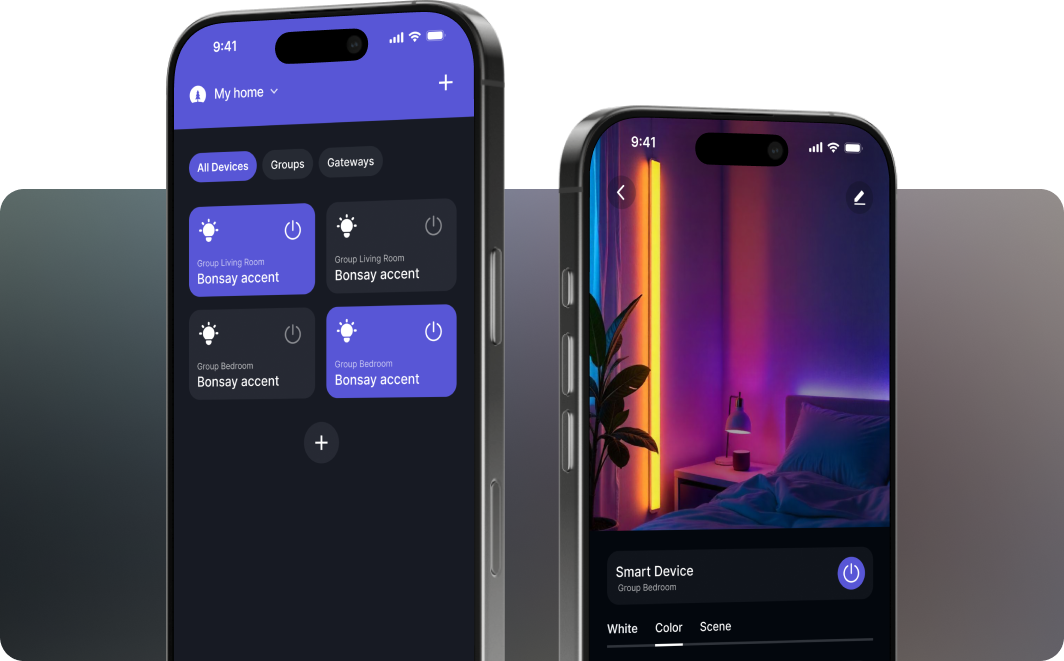
Device grouping capabilities simplify control by allowing multiple smart home devices to be managed as a single unit. This improves usability, especially in environments with a large number of connected devices.
Smart plugs with integrated USB ports extend functionality by enabling efficient power management and device charging without requiring additional outlets. These solutions enhance flexibility and optimize space utilization within the home.
Project’s Specifics
Results
1. Remote Control
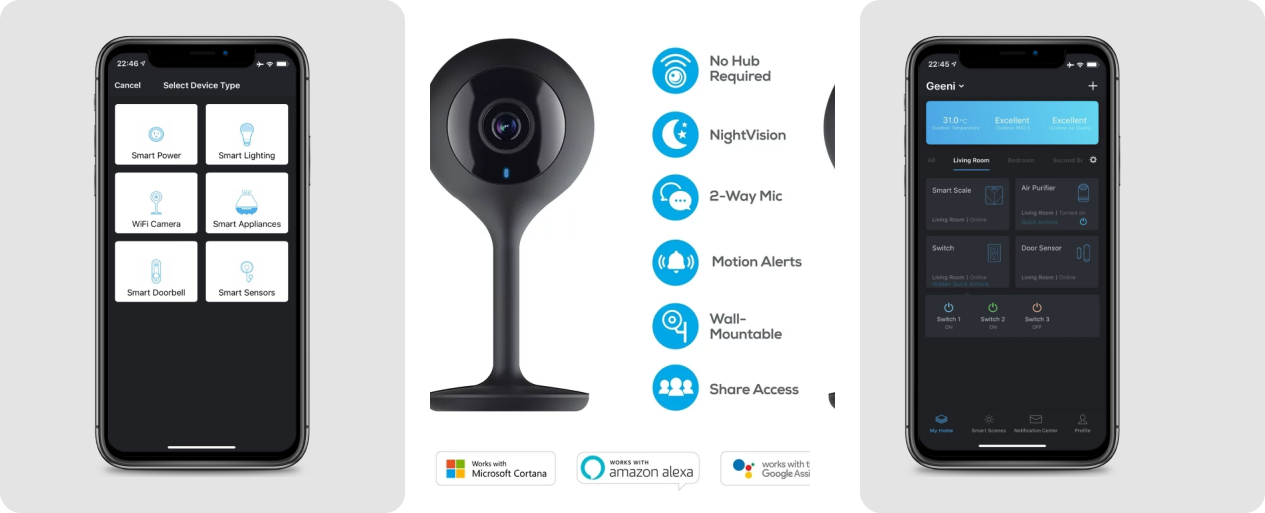
Smart home products enable users to control devices such as plugs, switches, and lighting systems remotely through a mobile application. This functionality allows users to manage their home environment in real time, whether they are at home or away, improving convenience and operational efficiency.
2. Voice Control:
Integration with voice assistants such as Amazon Alexa and Google Assistant allows users to interact with their smart home devices using natural voice commands. This enhances accessibility and creates a hands-free experience, making smart home control more intuitive and efficient.
3. Scheduling and Automation
Smart home systems support advanced scheduling and automation scenarios that allow devices to operate based on predefined rules or user behavior. Lighting, appliances, and climate systems can automatically adjust according to daily routines, reducing manual interaction and improving energy efficiency.
4. Energy Monitoring
Energy monitoring capabilities provide users with real-time insights into electricity consumption across connected devices. This allows homeowners to optimize energy usage, reduce costs, and support more sustainable living practices through data-driven decisions.
5. Security and Surveillance
Smart home security solutions include connected cameras, motion detection systems, and real-time alerts that enhance property protection. Users can monitor their homes remotely, access live video feeds, and respond quickly to security events through mobile notifications.
6. Customizable Scenes
Smart home platforms allow users to create personalized automation scenarios where multiple devices operate together. These scenes enable synchronized control of lighting, temperature, and appliances, improving comfort and simplifying daily routines.
7. Geofencing
Geofencing technology enables smart home systems to respond to user location. Devices can automatically adjust settings when users leave or return home, ensuring efficient energy usage and a seamless living experience.
8. Grouping Devices
Device grouping functionality allows multiple smart home devices to be controlled as a single unit. This simplifies management and enhances usability, especially in environments with a large number of connected devices.
9. Smart Plugs with USB Ports
Smart plugs with integrated USB ports extend device functionality by enabling efficient power distribution and charging capabilities. These solutions help optimize space usage while maintaining flexibility in device management.
10. Outdoor Solutions
Outdoor smart home products include connected lighting systems, smart plugs, and security cameras designed for external environments. These solutions enhance safety, improve usability, and extend smart home functionality beyond indoor spaces.
Similar Case Studies
Contact Us
Los Angeles
15442 Ventura blvd, Suite 201, Sherman Oaks, CA 91403
contact@carelia.io
New York
348 W. 57th St., New York, NY 10019
contact@carelia.io