
✆ + 1-646-235-9076 ⏱ Mon - Fri: 24h/day

Industry 4.0
Industry 4.0 represents the next stage of industrial transformation, where connected devices, machines, and systems operate as a unified ecosystem. By leveraging IoT technologies, businesses gain real-time visibility into operations, enabling faster decision-making and improved efficiency.
Key Insights Shaping Industry 4.0
Industry 4.0 is driven by the digitalization of industrial processes. Technologies such as IoT, cloud computing, big data, and artificial intelligence enable greater efficiency, productivity, and operational flexibility.
Seamless communication between machines, devices, and systems is fundamental. Real-time data exchange enables faster decision-making, process optimization, and reduced downtime.
Advanced robotics and automation systems enhance precision, efficiency, and safety. Intelligent automation reduces manual intervention and increases production consistency.
These systems integrate digital technologies with physical processes, enabling real-time monitoring, control, and adaptive responses within industrial environments.
Industry 4.0 supports sustainable operations by optimizing resource usage, reducing waste, and improving energy efficiency through data-driven decision-making.
Collaboration across suppliers, manufacturers, and service providers creates integrated ecosystems that support scalable and efficient industrial transformation.
Industry 4.0 Cases
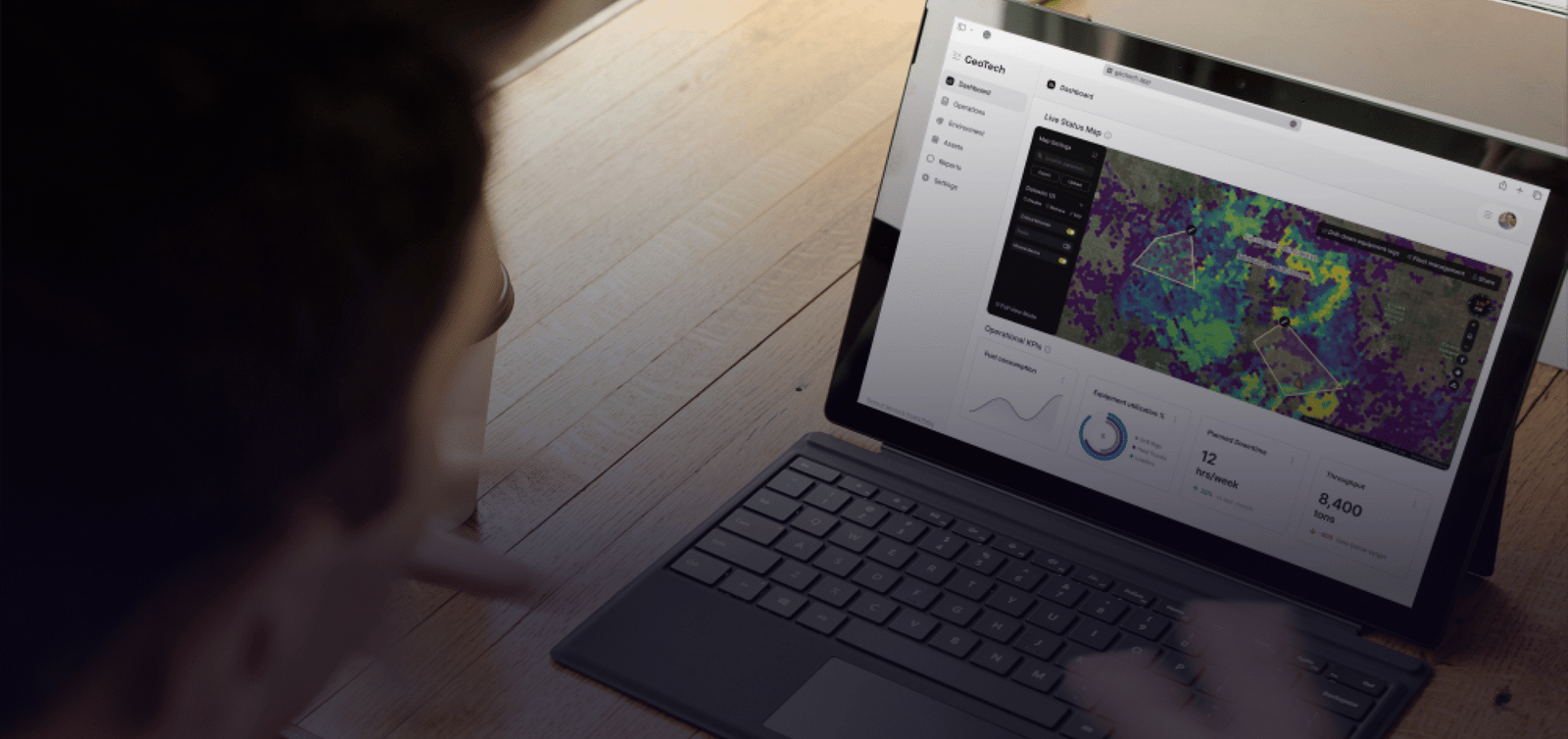


Industrial product development cycle
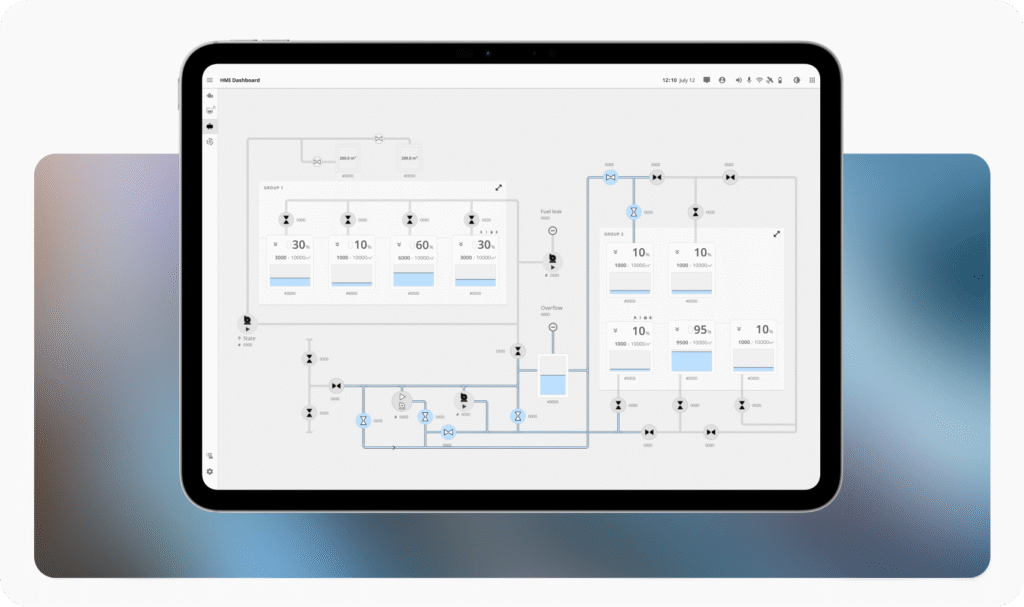
A Human–Machine Interface (HMI) is an industrial-grade touch interface designed for real-time system visualization and control. It acts as a bridge between operators and complex industrial systems, enabling users to monitor data, adjust parameters, and manage processes efficiently.
Modern HMIs provide intuitive, user-friendly interfaces that support real-time decision-making and improve operational performance. They allow operators to oversee individual machines or entire production lines, ensuring smooth and reliable system operation while enhancing productivity and safety.
Edge devices combine hardware and software to manage data flow between internal industrial systems and external networks, including cloud platforms. They process, analyze, and visualize data locally, reducing latency and minimizing bandwidth usage.
These devices play a critical role in modern industrial infrastructure by enabling real-time analytics, monitoring key performance indicators (KPIs), and optimizing resource consumption such as energy and water. Positioned at the edge of the network, they ensure faster response times and improved operational efficiency.
Edge devices also enhance system resilience by reducing dependency on centralized systems and providing a first layer of protection against data overload and connectivity disruptions.
SCADA (Supervisory Control and Data Acquisition) systems are used to monitor and control industrial processes in real time. They collect data from equipment across facilities and provide centralized visibility into operations.
SCADA platforms enable operators to analyze data, manage processes, and make informed decisions based on real-time insights. They support a wide range of applications, from manufacturing optimization to compliance monitoring and equipment diagnostics.
By integrating data collection, visualization, and control, SCADA systems improve operational efficiency, reduce risks, and ensure the reliability of industrial environments.
HMI, edge devices, and SCADA systems form the foundation of modern industrial ecosystems. Together, they enable automation, real-time monitoring, and data-driven decision-making, supporting scalable and efficient industrial operations across global markets.
Industry 4.0 Innovations
Industry 4.0 generates large volumes of data from connected devices and systems. Advanced analytics tools transform this data into actionable insights, enabling predictive maintenance, process optimization, and more informed decision-making.
Edge computing processes data closer to the source, reducing latency and enabling real-time responses. This approach is essential for industrial IoT environments where immediate data processing is required.
High-speed, low-latency networks such as 5G enable reliable real-time data transmission. They support advanced use cases including autonomous systems, remote operations, and connected machinery.
Blockchain enhances transparency and security in industrial ecosystems. It enables traceable transactions and secure data sharing across supply chains, improving trust and operational integrity.
AR and VR technologies are used for training, maintenance, and system design. They provide immersive environments that improve efficiency, reduce errors, and enhance workforce productivity.
Smart sensors play a critical role in collecting real-time data on equipment performance, environmental conditions, and operational metrics. This data supports monitoring, automation, and continuous improvement of industrial processes.
Automotive
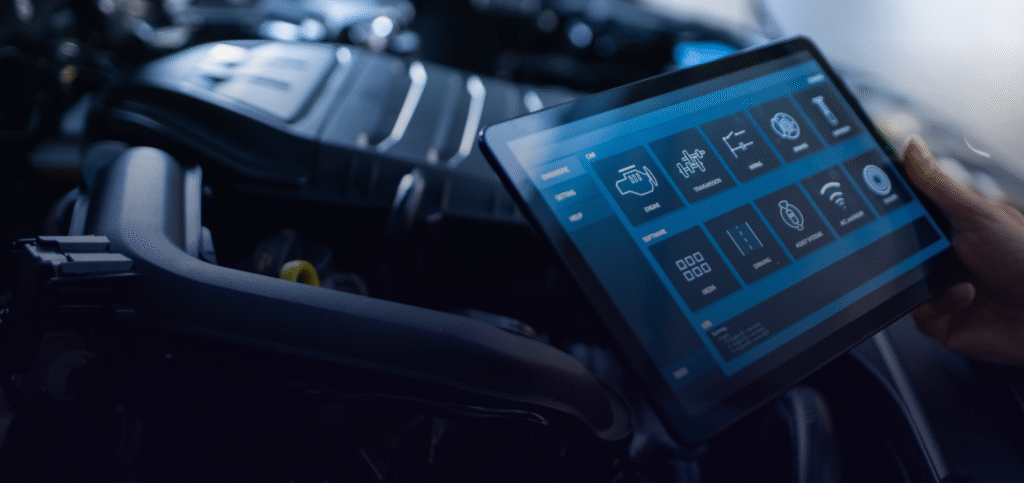
IoT in the automotive industry connects vehicles to the internet, enhancing safety, efficiency, and the overall driving experience.
Smart Home
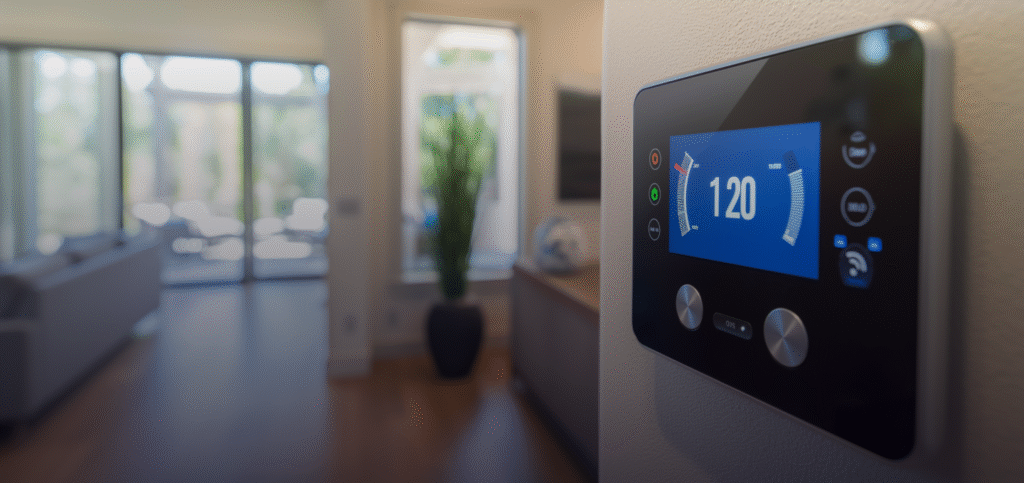
Smart home tech connects and controls devices for convenience, efficiency, and security, streamlining daily life.
Healthcare
Our advanced software solutions
revolutionize patient monitoring and health management in the world of digital healthcare.

Smart Hospitality
Elevate the guest experience with Smart IT solutions for hotels, restaurants, and the entire hospitality industry.


Contact Us
Los Angeles
15442 Ventura blvd, Suite 201, Sherman Oaks, CA 91403
contact@carelia.io
New York
348 W. 57th St., New York, NY 10019
contact@carelia.io