
✆ + 1-646-235-9076 ⏱ Mon - Fri: 24h/day
Smart Home Technologies
Smart home technology combines IoT devices, wireless connectivity standards, and intelligent automation to create connected living environments that are secure, efficient, and easy to manage. Modern smart home systems allow users to control lighting, climate, appliances, and security infrastructure remotely through a single mobile interface, providing full visibility and control over their home environment.
Key Insights Shaping Healthcare
Smart home IoT development focuses on simplifying everyday life through automation and intelligent control systems. By integrating connected devices into a unified ecosystem, users can automate routine tasks, optimize energy consumption, and improve overall comfort.
Interconnectivity plays a critical role in modern home automation systems. Devices must communicate seamlessly across different protocols and platforms, enabling synchronized operation and consistent user experience. This allows lighting, climate systems, and appliances to work together as a cohesive system rather than isolated components.
Voice control integration enhances usability by enabling interaction through natural language interfaces such as Alexa, Google Assistant, and Siri. This reduces friction in user interaction and improves accessibility across different user groups.
Security remains a core component of any smart home IoT platform. Modern systems incorporate encrypted communication, secure authentication, and cloud-based protection mechanisms to safeguard user data and prevent unauthorized access.
Energy efficiency is another key advantage of smart home systems. Intelligent automation adjusts energy usage based on real-time conditions and user behavior, reducing costs while supporting sustainability goals.
Personalized automation scenarios further enhance the user experience by adapting system behavior to individual preferences and daily routines.
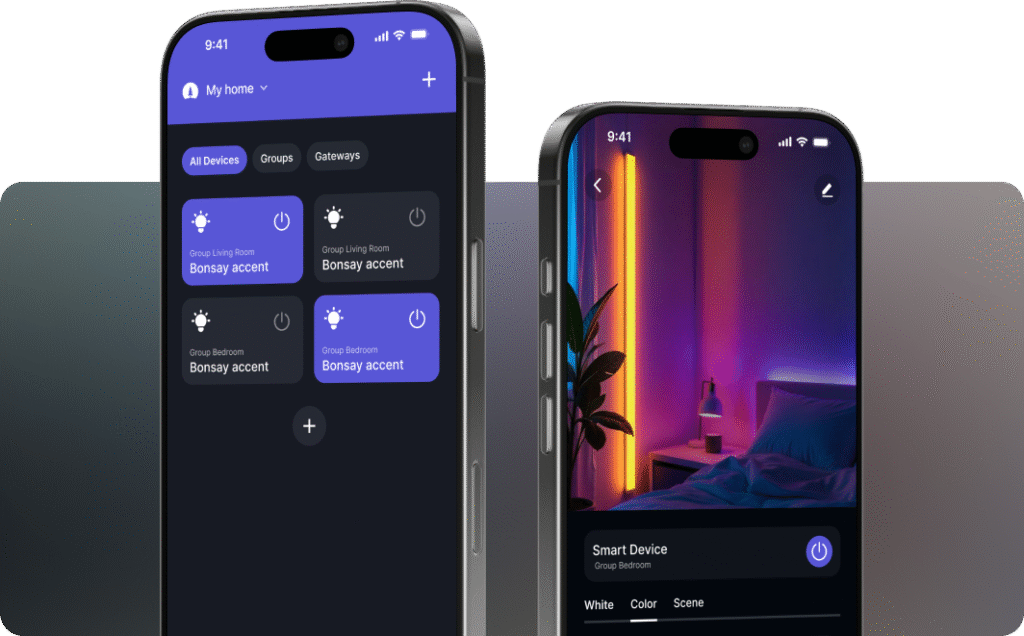
Smart home automation creates an environment where devices operate seamlessly in the background while giving users full control when needed. Whether at home or remotely, users can manage lighting, temperature, and security systems through a centralized mobile application.
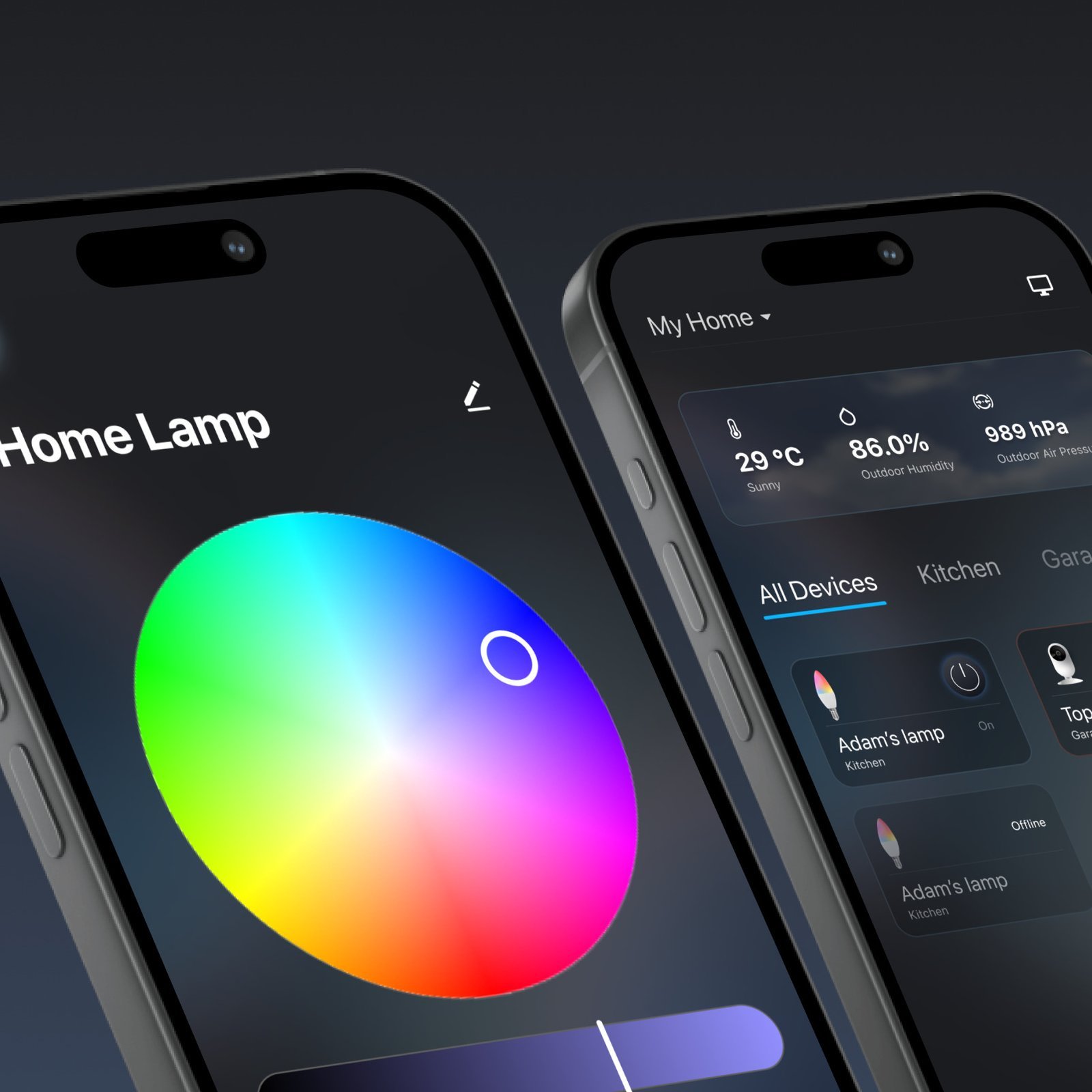
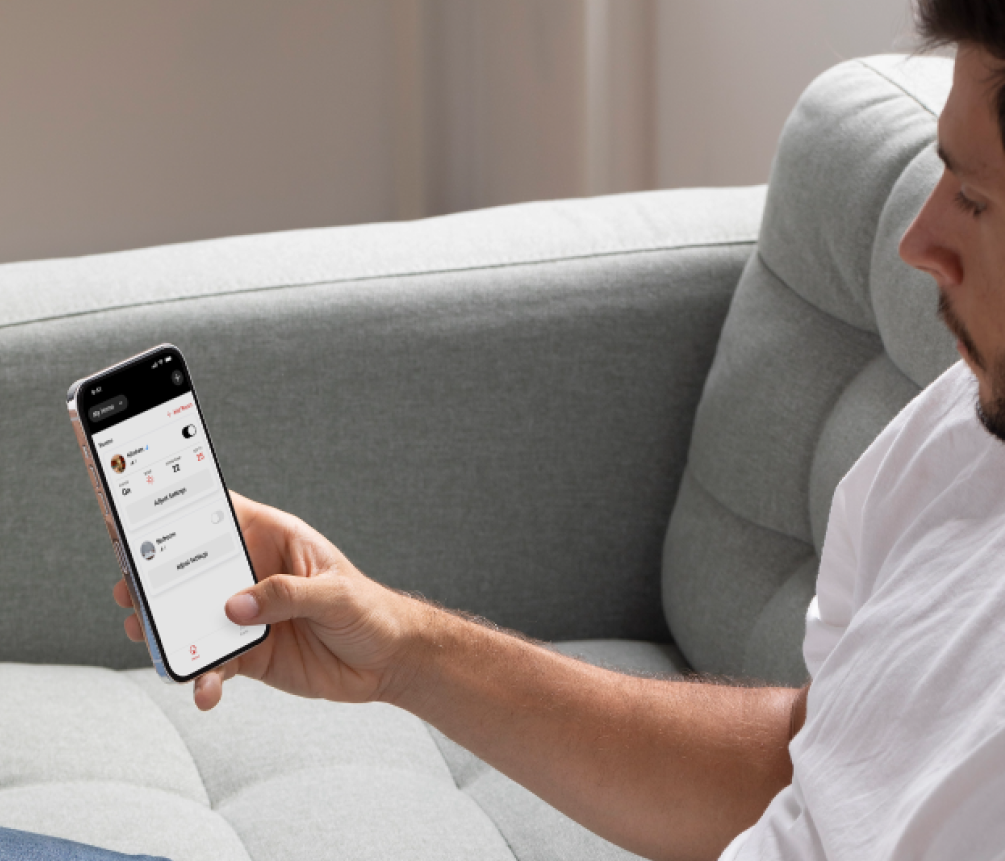
Mobile-first smart home platforms allow users to monitor and control their home infrastructure in real time. This includes adjusting thermostat settings, managing lighting scenes, and receiving instant alerts from security systems. Automation algorithms analyze user behavior and optimize system performance without requiring manual input.
Modern IoT ecosystems integrate mobile applications, cloud platforms, embedded firmware, and hardware components into a single architecture. This ensures reliability, scalability, and consistent performance across all devices. The result is a connected home system that delivers both convenience and operational efficiency.
Smart Home Cases

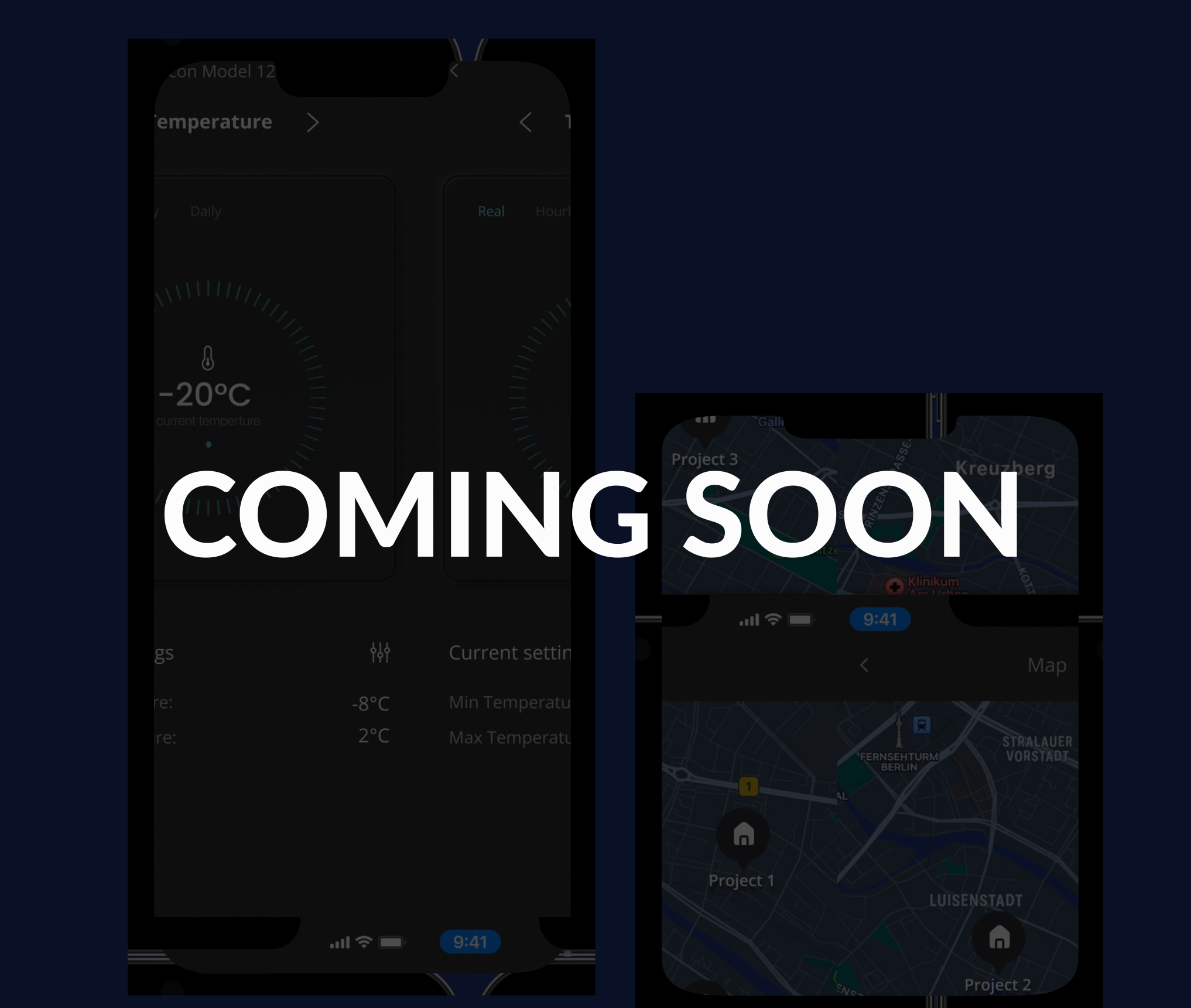
Smart Home Innovations
Artificial intelligence and machine learning enhance smart home IoT systems by enabling predictive automation and adaptive behavior. AI-driven platforms analyze usage patterns to automate routines, optimize energy consumption, and personalize user experiences.
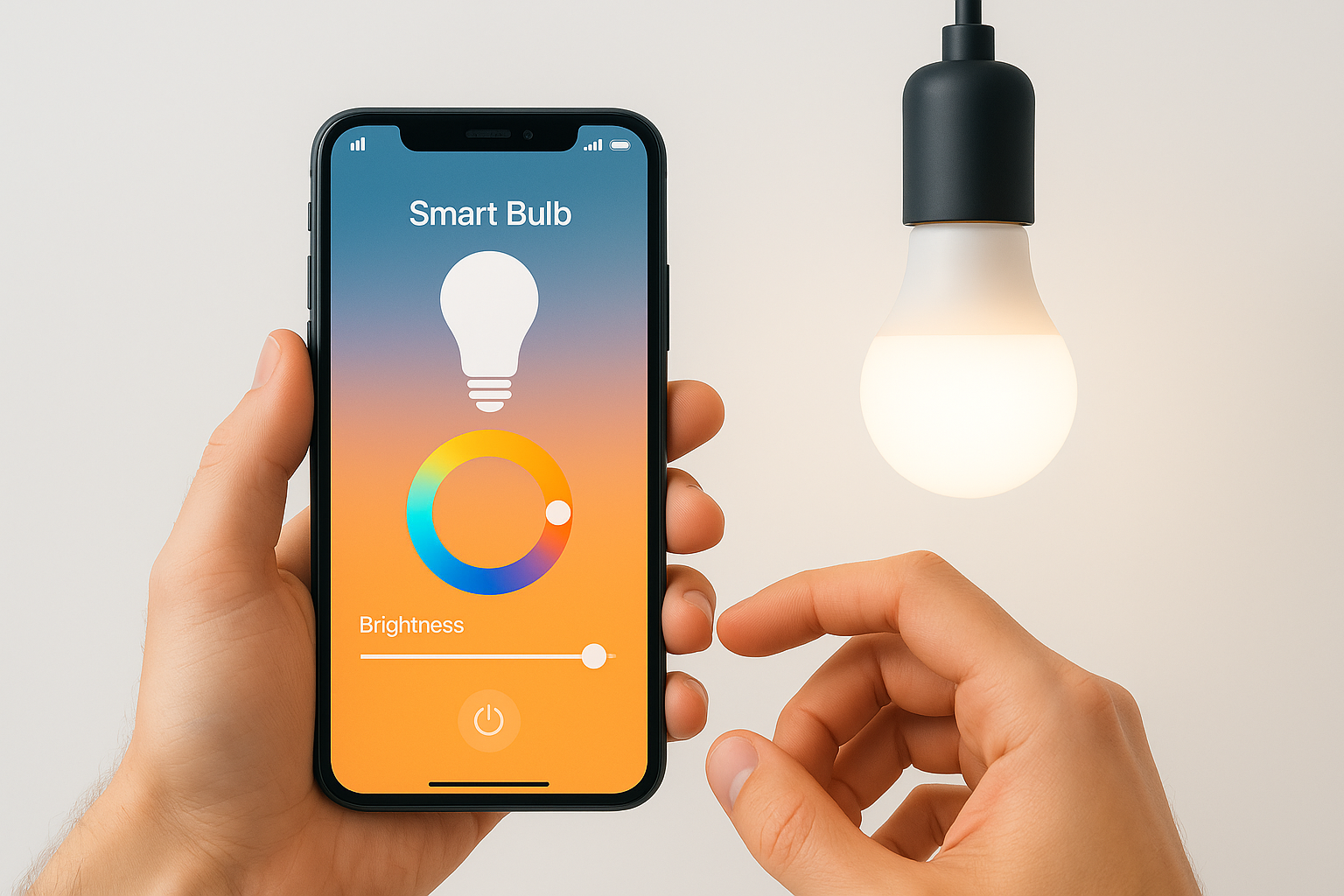
Smart lighting systems now include adaptive brightness control, motion detection, and daylight simulation to improve both comfort and energy efficiency. Connected appliances extend automation further by allowing remote control, predictive maintenance, and intelligent notifications.
Energy management systems use smart thermostats and consumption analytics to optimize heating and cooling processes based on user habits. This reduces energy waste and lowers operational costs while maintaining комфортные условия.
Health and wellness monitoring is increasingly integrated into smart home ecosystems. Devices such as air quality sensors, sleep trackers, and smart scales provide insights into living conditions and personal well-being.
Integrated ecosystems connect devices from multiple manufacturers into a unified system. Platforms developed by companies like Apple, Google, and Amazon enable cross-device compatibility and seamless user interaction, creating a more cohesive smart home experience.
Companies like Apple, Google, and Amazon are creating ecosystems where devices work seamlessly together, offering a more cohesive and user-friendly experience.
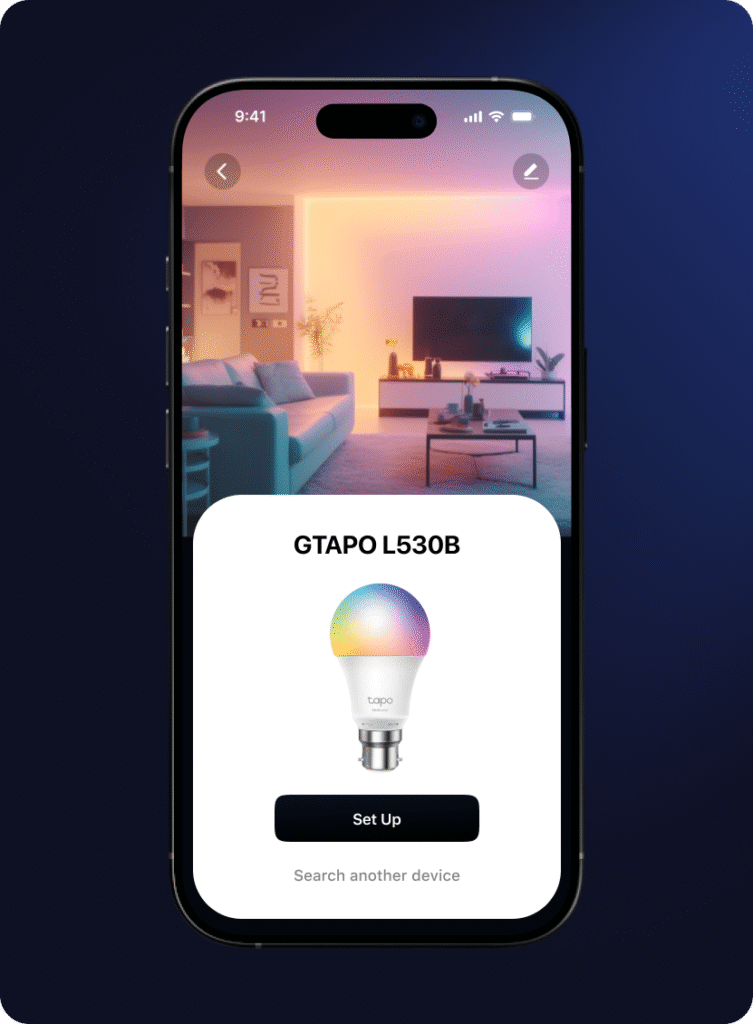
Your voice becomes your ultimate tool in a smart home. Devices like Amazon’s Alexa or Google Assistant listen to your every command. You can ask them questions, control your lights, set reminders, and even have a conversation.
Voice-controlled assistants further enhance interaction with smart home systems by allowing users to control devices, manage schedules, and access information using simple voice commands. This creates a more intuitive and hands-free user experience.
Connected appliances also play a role in the smart home ecosystem by enabling automation beyond basic control. From smart ovens that preheat remotely to refrigerators that manage inventory, IoT-enabled devices improve efficiency and convenience in everyday life.
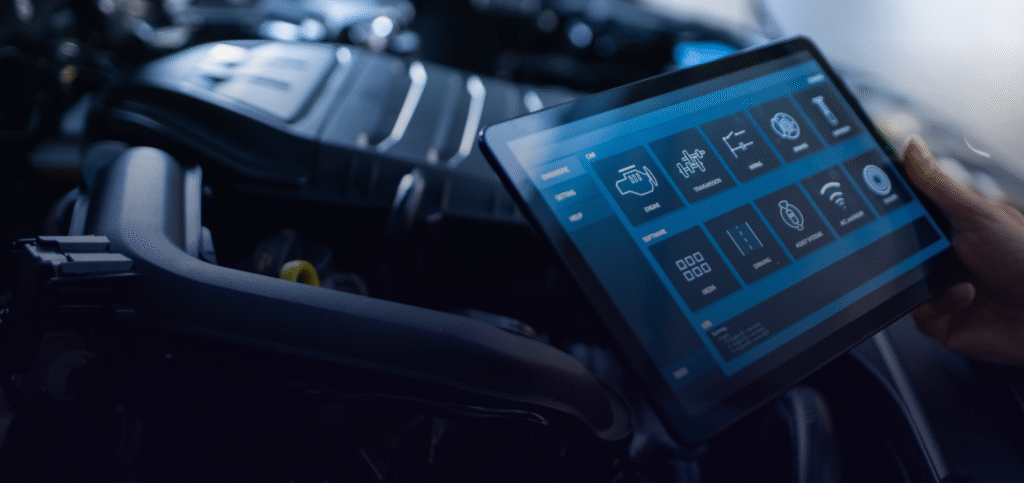
Automotive
IoT in the automotive industry connects vehicles to the internet, enhancing safety, efficiency, and the overall driving experience.
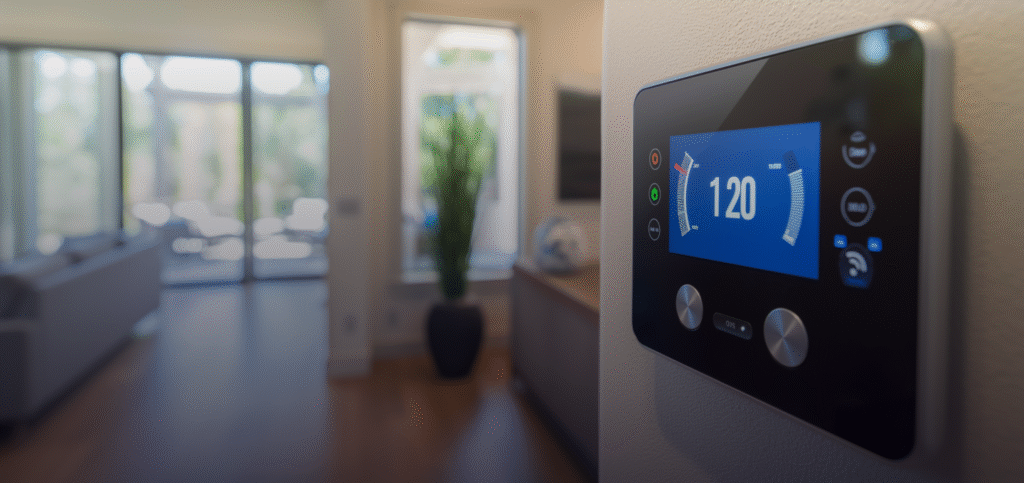
Healthcare
Our advanced software solutions
revolutionize patient monitoring and health management in the world of digital healthcare.

Industry 4.0
IoT in Industry 4.0 combines manufacturing and connectivity to create smarter, more efficient factories.

Smart Hospitality
Elevate the guest experience with Smart IT solutions for hotels, restaurants, and the entire hospitality industry.
Contact Us
Los Angeles
15442 Ventura blvd, Suite 201, Sherman Oaks, CA 91403
contact@carelia.io
New York
348 W. 57th St., New York, NY 10019
contact@carelia.io